Perico3 min read
Trader Craig Percoco lays out a step-by-step plan for relearning day trading
An eight-year trader argues most beginners fail because they skip process, psychology and testing before ever risking money.
AI summary of “How I Would Learn Day Trading FAST (If I could start over)”
Key takeaways
- Craig Percoco says he'd focus on process over money if restarting, calling profit-chasing a "dopamine hit" that sabotages beginners.
- He recommends reading Trading in the Zone by Mark Douglas first, calling it "the bible of trading."
- Percoco says he trades one pair, one market, one strategy in crypto, netting between $30 and $50,000 per month.
- He says his own strategy wins only 37% of the time but stays profitable because winners are large and losses are contained.
- The plan ends with journaling, back-testing via bar replay, then paper trading before ever using real money.
Start with process, not money
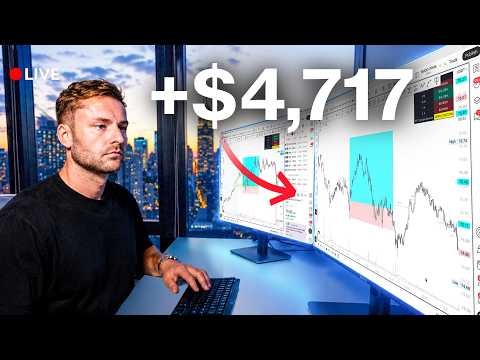
Percoco says he has traded full-time for over eight years, sometimes making "anywhere from $5 to $20,000 in a single day," and that his path began after turning $8,000 into $16,000 in two days early on, which he calls "completely ridiculous gambling" rather than skill. His central advice for anyone starting over is to detach from money entirely and focus on what he calls "proxy goals" — obsessing over process so that mastering it results in profit by default.
"Slow the process down. Back away from the money." — Craig Percoco
He argues most beginners chase the "dopamine hit" of quick profit, which prevents them from building the mental framework needed to trade well, and warns against comparing yourself to others flaunting success online.
Build a learning sequence and guard who you listen to
Percoco says he bounced between strategies early on without understanding market mechanics, which reinforced bad habits. He argues that putting money into the market should be one of the last steps, not the first, and that a regimented learning order prevents the fear that comes from not trusting an untested process.
He also advises telling "absolutely nobody" when starting out, since outside opinions from non-traders can pull people away from proper trading psychology, and cites a phenomenon where announcing goals gives a premature sense of achievement that reduces the odds of reaching them. He says finding an accountability partner, rather than chat rooms full of people trading rent money, was one of the best things he did early on, and that it motivated him to build his Discord community.
Foundational reading and emotional mastery
Percoco names three books: Trading in the Zone by Mark Douglas, which he calls "the bible of trading" and revisits roughly once a year; How to Trade for a Living, for understanding how full-time trading integrates into life; and a research document called Fibonacci Strategy and Application for Traders, which he describes as more advanced.
On psychology, he says trading doesn't require "nerves of steel" — he calls himself "an extremely lowrisk person" who avoids casinos — and argues the market simply reflects a trader's own impatience or anxiety back at them. He says revenge trading after a loss is never acceptable if a trader trusts their tested process, and that beginners should expect to lose and mistakes as part of learning.
One instrument, simple charts, then a strategy
Percoco recommends beginners pick a single instrument and market rather than spreading across futures, forex and options. He says he trades cryptocurrency for its 24/7 access and has stuck to "one pair, one market, one time frame, and one strategy" for nearly two years, developing it into what he describes as between $30 and $50,000 in monthly profit. He references team members, including one focused on "12R" units of risk and another, "Ned Narb," trading only NQ for roughly $1,800 across five accounts in a "one and done" model.
He then argues fundamentals — market structure, volume, support and resistance, "break of structure" and "change of character" — should come before any strategy, since he says professional traders keep charts simple and read price first. On strategy mechanics, he explains risk-reward math: a 1:2 ratio needs only 40% win rate to be profitable, a 1:3 ratio needs 30%, and he says his own strategy wins "37% of the time" while keeping losses contained.
Testing before risking money
The final steps Percoco outlines are adding "confluences" — extra rules such as RSI levels — only after a simple model is already close to profitable, then journaling and back-testing using "bar replay" to gather data on wins, losses and R-multiples before risking any capital. He says trading is "the only business where you can literally dry it, see how you're going to do."
He advises moving to simulated trading only after back-testing shows profitability, warning that emotional mistakes appear once trades are executed in real time even without real money, and that results typically diminish moving from replay to paper to live trading. He says the final stage his team works on privately is identifying what holds a trader back from that last layer, which he says is where people "explode into becoming six-figure traders."
Written by AI from the video's transcript. It can compress, misattribute or miss context — the original video is the source. Not investment advice.