TBPN4 min read
TBPN hosts debate Microsoft Autopilot, the Trump-Xi dinner, and a Kalshi ad "among the most dystopian"
John Coogan and Jordi Hays cover Microsoft's Autopilot push against Meta's Muse, a stacked White House tech dinner, and whether AI capex is pushing bond yields higher.
AI summary of “Microsoft to Take On Muse, Trump & Xi Dinner, The Mansion Section | Diet TBPN”
Key takeaways
- Microsoft launched Autopilot, built on Open Claw, aiming at a personal AI agent market Satya Nadella says could dwarf cloud.
- A White House dinner with Xi Jinping seated Elon Musk, Jensen Huang, Lisa Su and Tim Cook up front; Dario Amodei was notably absent.
- Hosts criticized a Kalshi ad using AI-generated "slop" video to promote egg futures trading, calling it dystopian but not fraudulent.
- Hyperscaler and Nvidia debt issuance reportedly hit roughly 70% of total treasury bond issuance through 2026, fueling debate on whether AI capex is driving the 10-year yield up.
- A $44 million Palo Alto mansion built by Asher Waldfogel got a tier-list treatment, with its pool rated S tier and its 0.4-acre lot F tier.
Microsoft's Autopilot challenges Meta's Muse in the personal-agent race
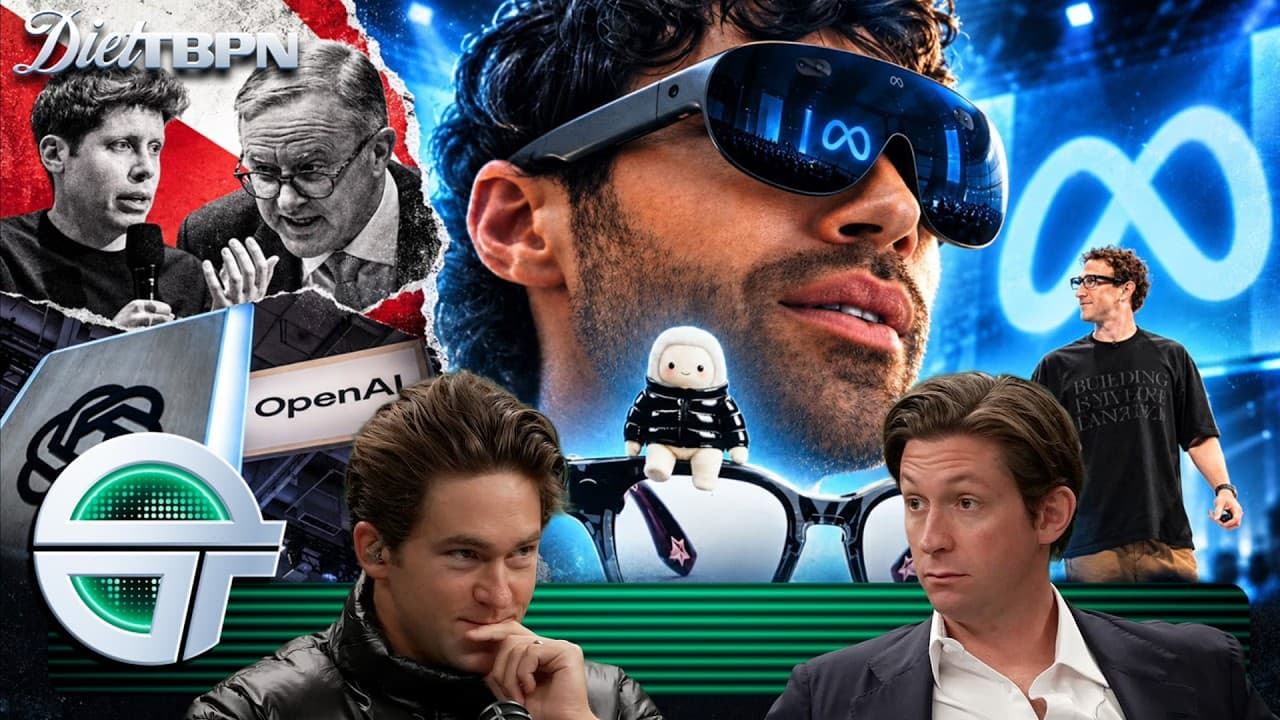
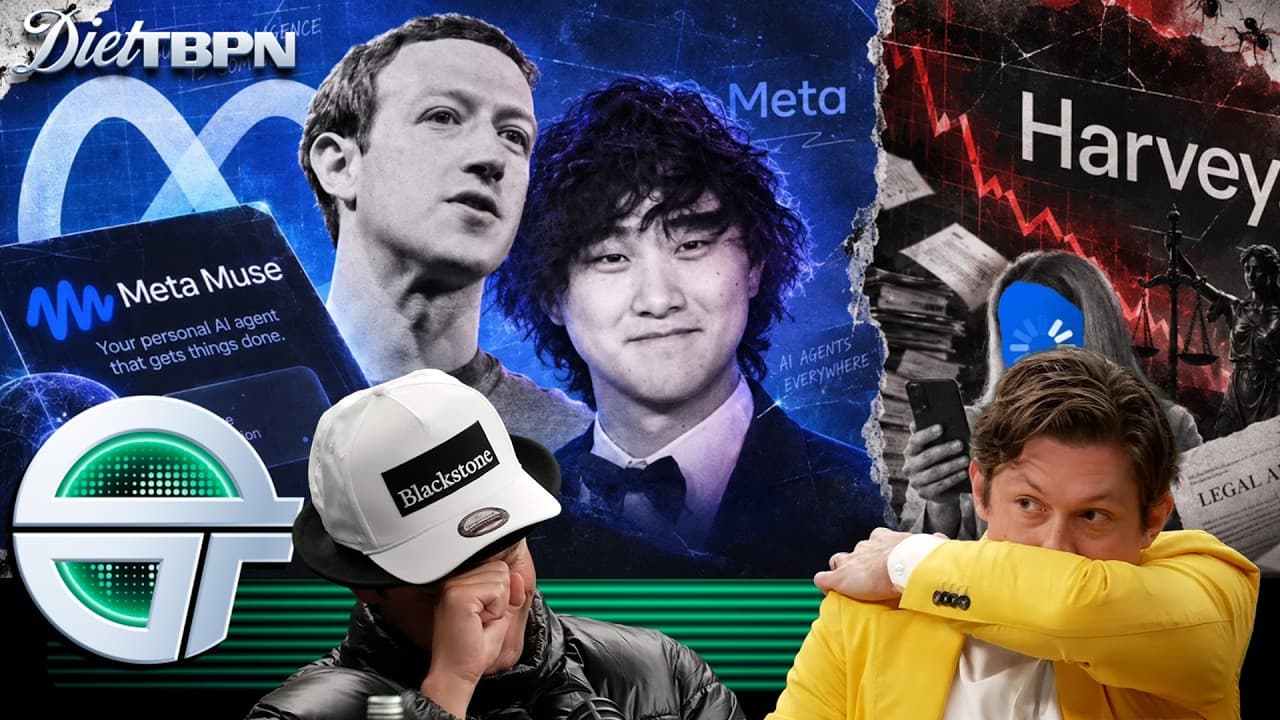
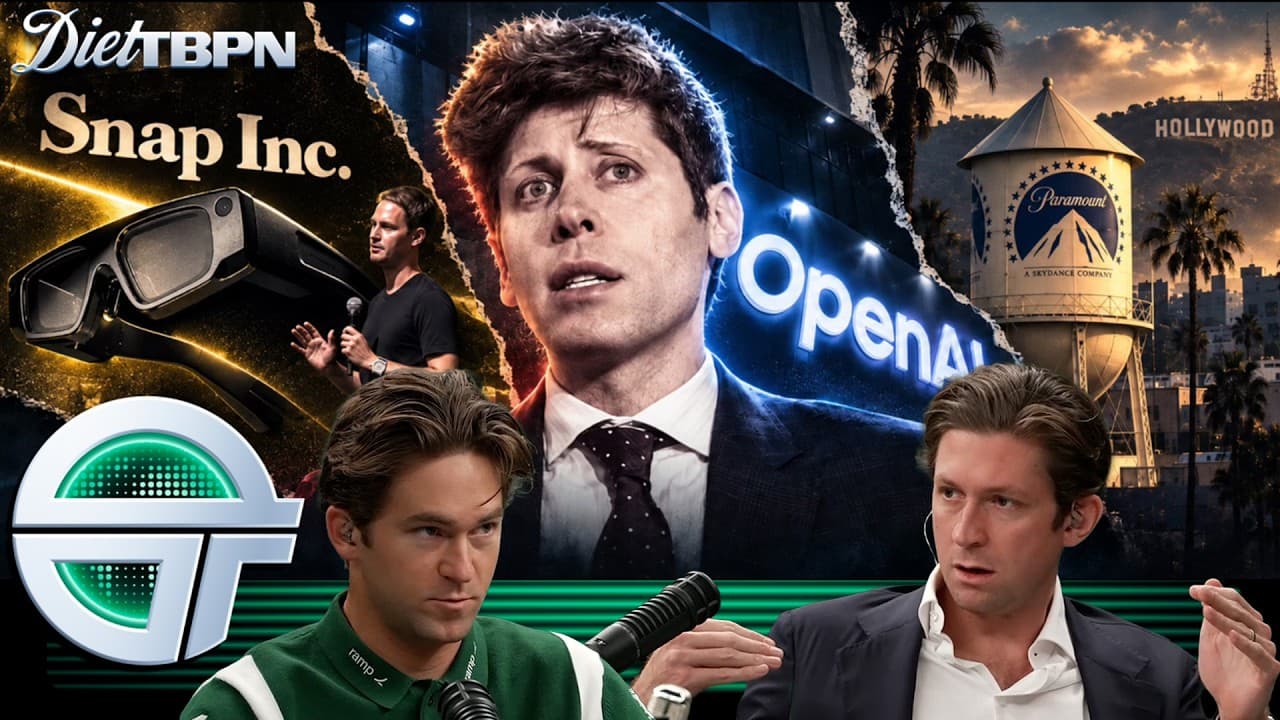
The hosts opened on Microsoft's launch of Autopilot, built on top of the open-source Open Claw framework, which Satya Nadella described in an interview with Alex Heath as bringing an "AI chief of staff" beyond Excel and Outlook into users' personal lives. Nadella pointed to Microsoft's more than 100 million consumer subscribers as the base for this push, arguing agents could make consumer markets "more zero sum" by cutting out middlemen, while enterprise agent markets could grow "bigger than cloud by orders of magnitude."
Open Claw founder Peter Steinberger said Microsoft "shipped a really compelling product on top of Open Claw today," noting his team worked with Microsoft since March to ready the codebase for large-scale deployment, though Nat Friedman reportedly said Microsoft built its own version rather than forking it directly.
The host argued that excitement is limited to Microsoft's existing enterprise base rather than the "insider agent maximalist" crowd:
"I don't think there's anyone on X that's seeing Microsoft launch an openclaw powered agent and thinking I got to use that."Still, the hosts agreed Microsoft's distribution advantage could make Autopilot many users' first exposure to agents, and speculated about when Google or Apple might respond with comparable products.
Trump-Xi dinner draws a who's-who of tech leaders, minus Dario Amodei
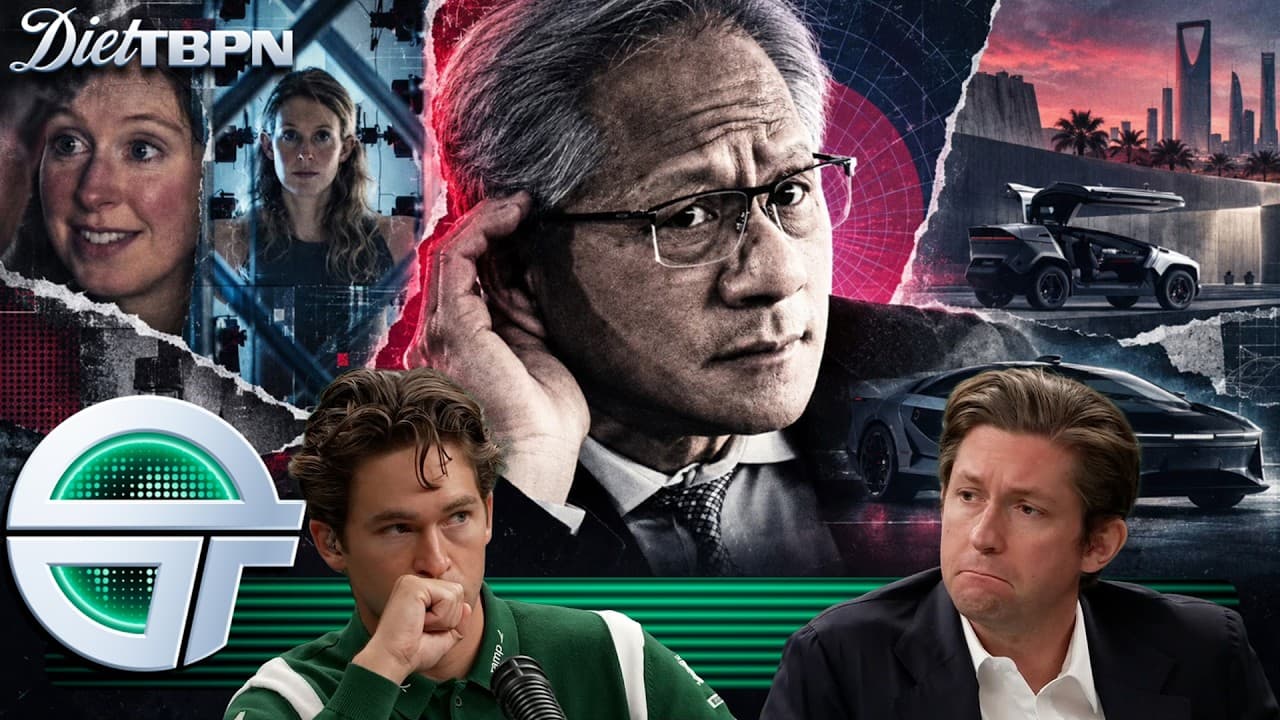
A photo shared by a Doge designer showed a White House dinner attended by Xi Jinping alongside Elon Musk, Donald Trump, Melania Trump, AMD's Lisa Su, Nvidia's Jensen Huang and Apple's Tim Cook, seated at the prime table. The hosts also listed Sam Altman, Greg Brockman, Sergey Brin, Satya Nadella, Sundar Pichai, Cristiano Amon, David Solomon and NYSE president Lynn Martin among attendees.
Notably absent was Anthropic's Dario Amodei, who has sparred with the administration before, though co-founder Tom Brown has reportedly been working on a reset, praising Trump's "let data reign" post to Howard Lutnick at a G20 event. The hosts speculated Amodei may have turned down an invitation rather than been excluded, debating whether his hard-line stance on China made a sit-down with Xi worth watching.
A Kalshi ad blending "AI slop" with betting sparks a wider gambling debate
The hosts examined a Kalshi ad depicting a Pixar-style AI-generated video where a man suspects his girlfriend of an affair, only to discover she is trading egg futures using bakery insider knowledge. Brian Pompus was quoted calling it "among the most dystopian" betting ads seen, and the hosts noted the ad's sloppy AI polish and odd lyrics.
One host clarified the activity depicted isn't illegal insider trading, since commodities markets are designed to let people with real-world information trade on it, though he questioned whether such fine-grained trading (citing an egg futures market with "only $417 of volume") is consumer-ready. The broader concern raised was generational:
"young people today that are growing up on the internet are going to go through this... they will probably be served like a million gambling ads by the time they're 18."The segment also touched on South Korean "dopamine sites" where users simulate luxury purchases—like a $44,860 Patek Philippe watch—that never actually ship, which one host called "dystopian" and reflective of pure consumption culture.
Is AI data-center capex pushing bond yields higher?
The hosts debated rising Treasury yields, noting the 10-year yield had "jumped 12%" to around 5.18% from lower levels earlier. One explanation floated was the Iran war driving an energy and inflation shock; AI was called "mainly a sideshow" in that telling. But others argued data-center debt issuance is "too good to resist," with one host citing hyperscaler and Nvidia debt issuance reaching roughly 70% of total treasury bond issuance through 2026, up from about 30% in 2025.
Not everyone agreed: a commentator identified as "deep disher" argued illiquid private AI capex can't serve as collateral the way government debt can, since a neocloud going bankrupt might return only "70 cents on the dollar, maybe 90 cents." Another voice, Ro, downplayed the alarm, noting the 10-year has averaged 5.8% since 1960, meaning current levels are "5% below average." The Wall Street Journal was cited describing an economy "powering through inflation, tariffs, and higher borrowing costs," with AI investment described as looking "unstoppable" despite the rate backdrop.
Written by AI from the video's transcript. It can compress, misattribute or miss context — the original video is the source. Not investment advice.