TBPN4 min read
Jensen Huang resigns as Nvidia CEO after second affair scandal, Kress named interim chief
TBPN's hosts break down Nvidia's leadership crisis, the short seller who called it, and what losing Jensen means for the "central bank of AI."
AI summary of “Jensen Huang Resigns as NVIDIA CEO | Diet TBPN”
Key takeaways
- Jensen Huang resigned as Nvidia CEO hours after reports of a second affair, this time with a direct report, Kimberly Powell.
- CFO Colette Kress becomes interim CEO; Nvidia has shed more than $600 billion in market value this week.
- Short seller Christian Lamarco of Culper Research, who flagged Nvidia's "China problem" six months ago, saw his thesis go viral.
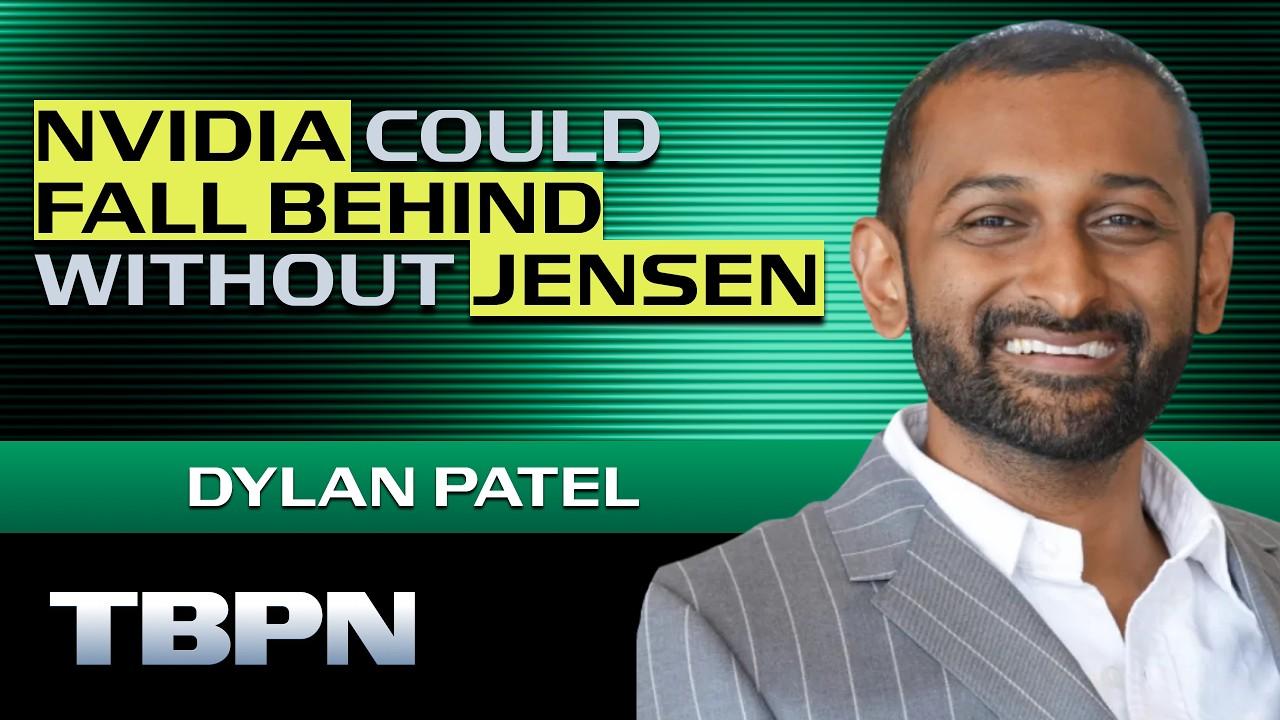
- Dylan Patel names Charlie Kawas and Johnny Srouji as possible successors; Shaan Puri instead floats Nikesh Arora.
- Hosts debate whether China actually wanted Jensen out, with Jordan Schneider and others questioning the theory.
Jensen Huang is out after a second affair allegation
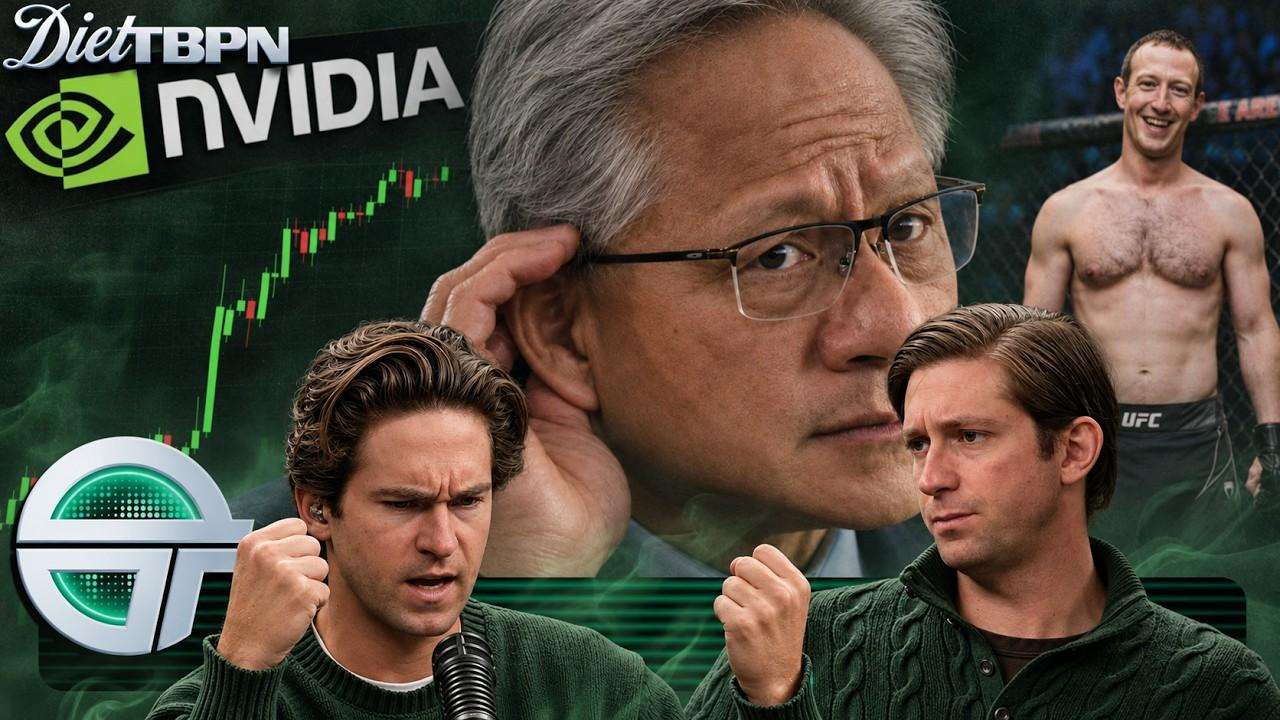
The hosts open with the news that Jensen Huang resigned as Nvidia CEO less than 24 hours after reports surfaced of a second extramarital affair, this one with a colleague who reported directly to him, Nvidia's VP of healthcare Kimberly Powell. The New York Times reported the two were seen being affectionate at a San Jose hotel during GTC in March. The host calls it "the greatest business tragedy of my lifetime," while noting the affair with a subordinate is a clear violation that forced the board's hand: "It's not a complex morality debate... It's cut and dry."
The hosts note Nvidia's board had no succession plan and no chair until naming longtime director Harvey C. Jones to that role just before the announcement. CFO Colette Kress, at Nvidia since 2013, becomes interim CEO. The hosts say her background gives them confidence in "business as usual" on operations, though they flag that she's been framed as interim rather than a clear successor.
Can Nvidia still be the "central bank of AI" without Jensen?
A central debate is whether Nvidia's model of using its balance sheet to bankroll AI customers can continue without Jensen's personal dealmaking. One host argues Kress can clearly manage the "make GPU, sell GPU" side, but questions whether talent recruiting suffers without a founder-mode CEO able to offer the pitch of joining the biggest, fastest-growing player. The hosts also flag TSMC's relationship with Nvidia as resting on "mutual respect," and worry rivals building custom chips (TPUs, Trainium, AMD) could take advantage.
They also raise the possibility that capital allocation shifts "from Jensen acting as the banker... to investment by committee," which one host says "is much, that's just going to be a lot slower."
The short seller who called Nvidia's China problem
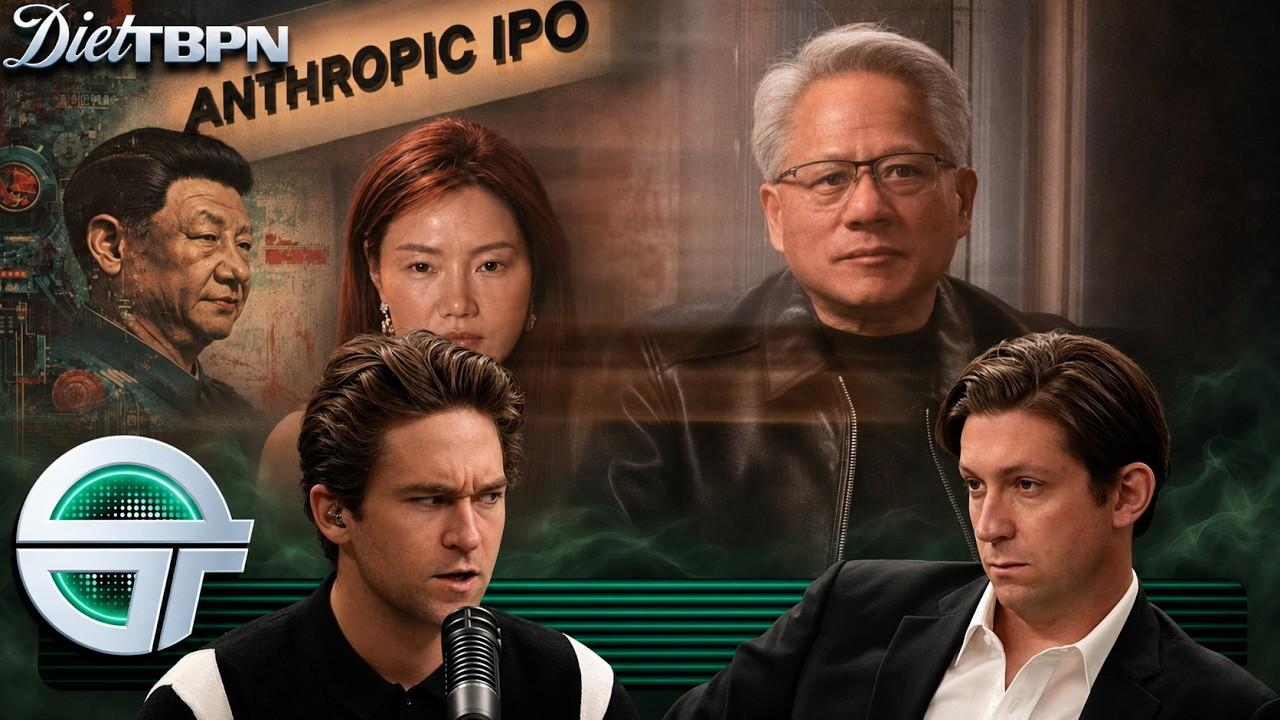
The hosts recap a Wall Street Journal story on Christian Lamarco of Culper Research, who published a report six months ago arguing Nvidia has "a significant China problem," tied to an alleged close relationship between Jensen and an executive named Alice Wong at a Southeast Asian business partner. Culper wrote it was "not a bet against AI." The report was largely ignored until this week, when Nvidia's stock fell and the firm's posts drew millions of views.
"We are short Nvidia for one reason. The company has a significant China problem." — Culper Research
The hosts note Nvidia has lost "more than 1 trillion in market value" and is down roughly 20% since the report, though it's unclear whether Lamarco profited, as he declined to disclose his position or earnings.
Reactions split over succession and whether Jensen should have stayed
Social media reactions quoted on the show diverge sharply. Analyst Dylan Patel suggested the board "needs to chase down Charlie Kawas and Johnny Srouji" as the only viable replacements. Investor Shaan Puri instead proposed Nikesh Arora, citing his record at Palo Alto Networks. Others, like Doug Ollafin, argued Jensen should have stayed: "He stays. Make a transition plan... The company's not set up to run without him."
"You can't have an affair with a direct report. It's over." — Tae Kim, as quoted by the host
Commentator Bern Hobart is quoted noting Jensen "lives in a state where you can't enforce non-competes," fueling host speculation about a possible comeback, though they say it would be harder than a Sam Altman-style return given active congressional and DOJ scrutiny.
Did China want Jensen gone? Hosts are unconvinced
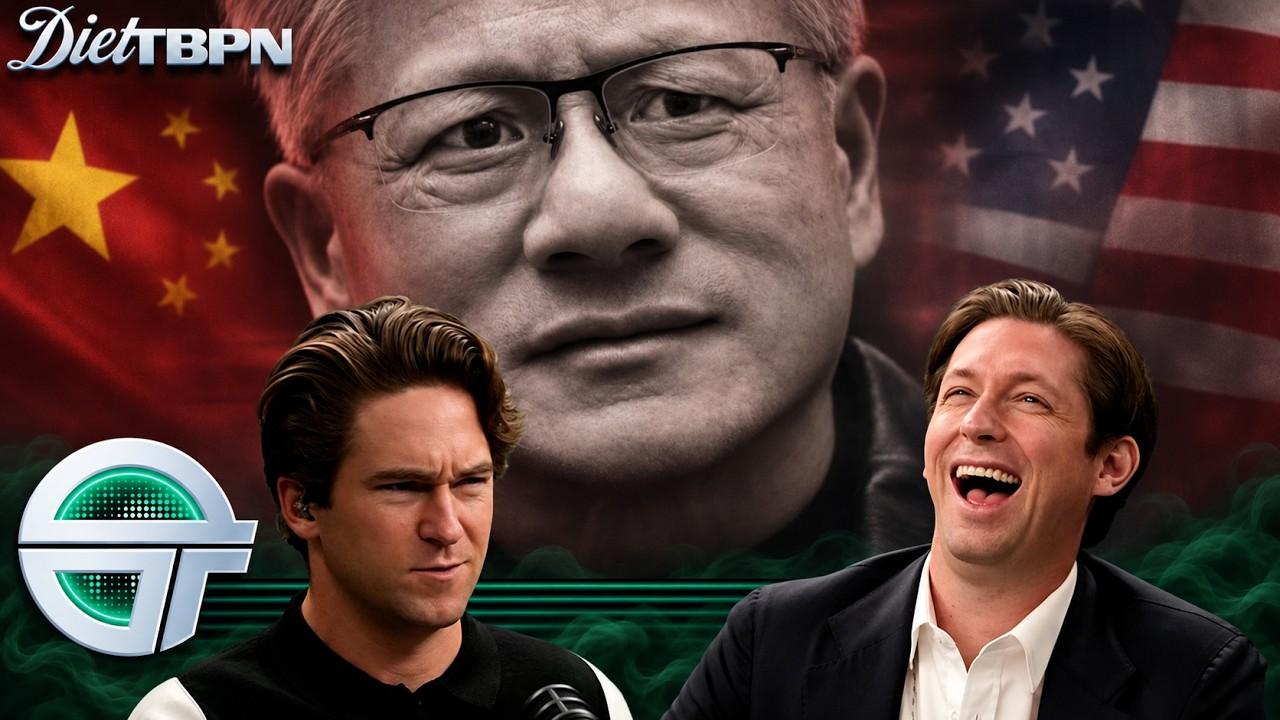
The hosts discuss theories, including one from Nick Carter suggesting a "deep state coup in conjunction with China Hawks and the admin," and a claim attributed to Shaan Puri that "China wants Jensen out." Jordan Schneider is quoted pushing back, asking what exactly was on China's wish list that Jensen didn't deliver. The hosts say they can't verify the claim and note China's own restrictions on Nvidia GPU imports complicate any simple narrative.
They also read a long post from Gavin Baker arguing that "well-meaning, patriotic China hawks" who pushed export restrictions may have pushed China toward developing its own AI hardware, which he warns could make the world "much less stable" if China catches up and shares the technology with Russia, Iran, and North Korea. One host says he "totally disagrees" with Baker's closing point but doesn't elaborate further.
Written by AI from the video's transcript. It can compress, misattribute or miss context — the original video is the source. Not investment advice.