TBPN3 min read
Nvidia board faces pressure as Jensen Huang spy scandal deepens, but AI trade rallies anyway
Hosts cover calls for Jensen Huang's resignation, a resurgent AI trade on Coreweave and Anthropic news, and a debate on whether top founders have hobbies.
AI summary of “Jensen’s Scandal Tests Nvidia’s Board, AI Trade Roars Back, The Great Hobby Debate | Diet TBPN”
Key takeaways
- A Senate Banking Republican, Kevin Kramer, called for Jensen Huang to resign over his relationship with an alleged Chinese spy.
- Polymarket odds that Huang leaves before July next year sat at 38%, roughly unchanged from the prior day.
- Coreweave shares rose 26.8% after revenue beat guidance, helping lift the Nasdaq and revive the AI trade.
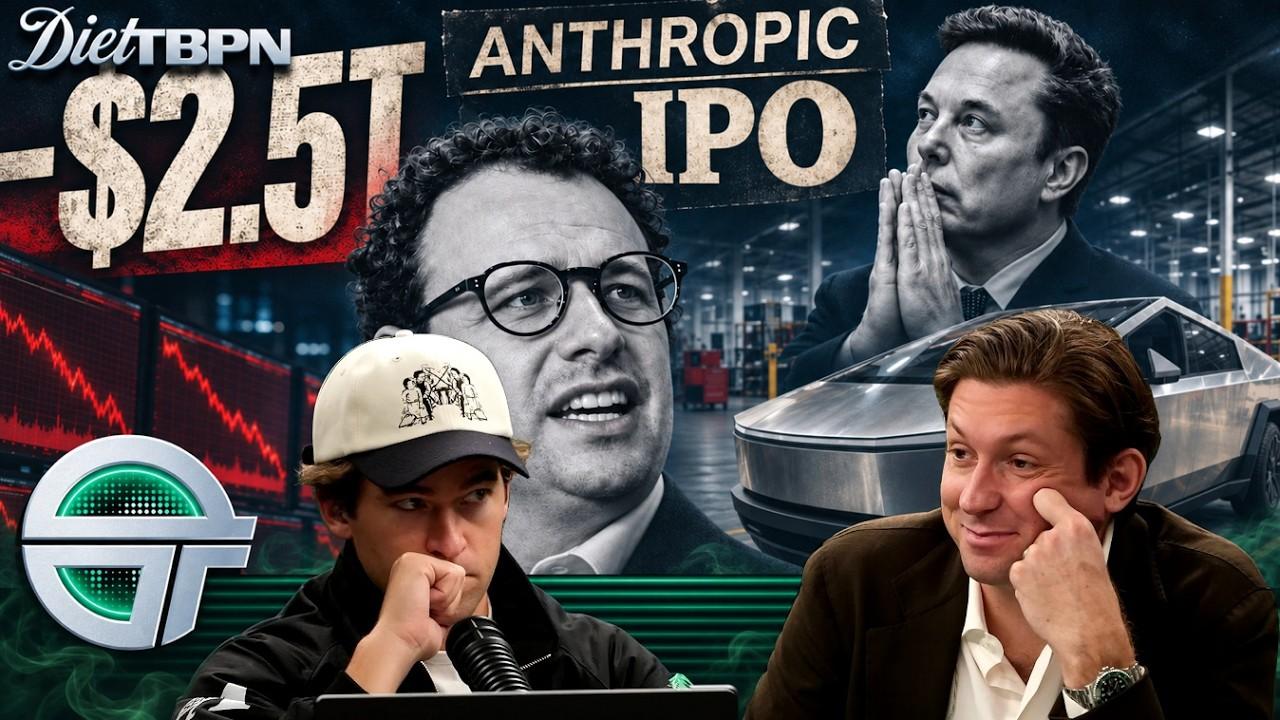
- Anthropic's IPO valuation talk moved from a 1.26-1.41 trillion range toward a reported 1.5 trillion being weighed by bankers.
- Jeff Yass argued stock market bubbles do not exist, saying price drops reflect "uncertainty resolving," not delusion correcting.
Jensen Huang's scandal draws resignation calls while the board holds steady
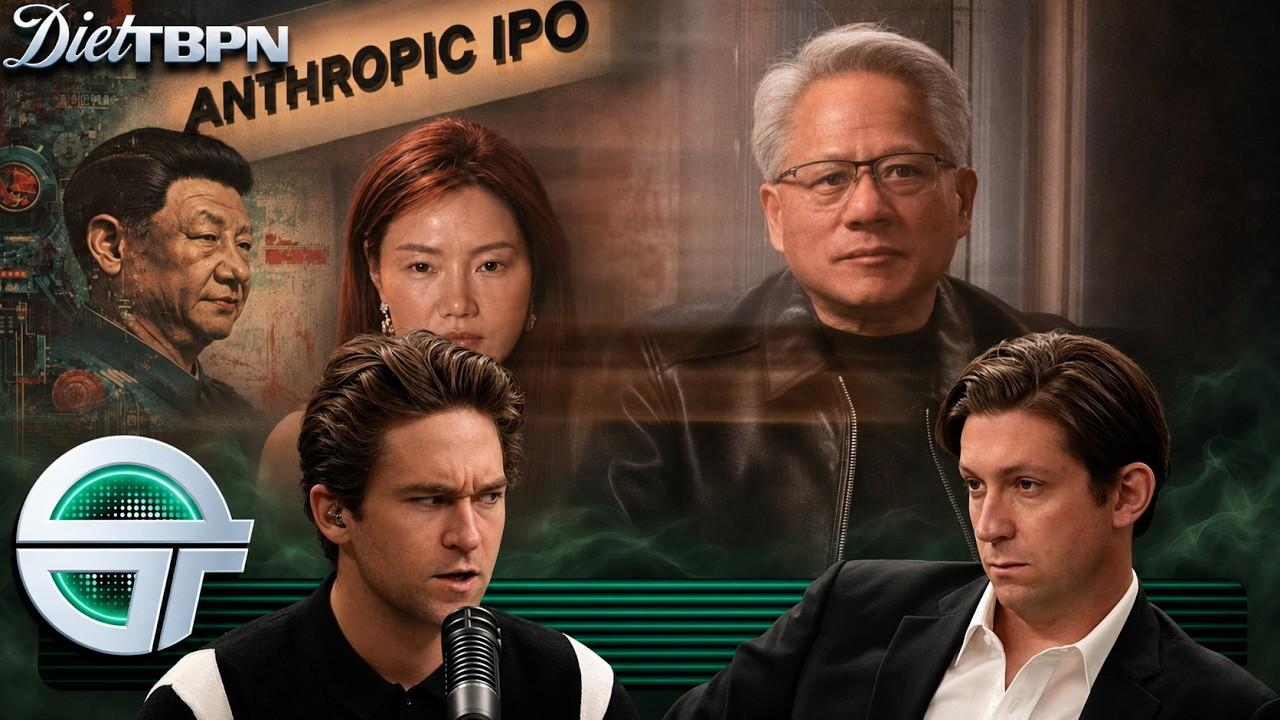
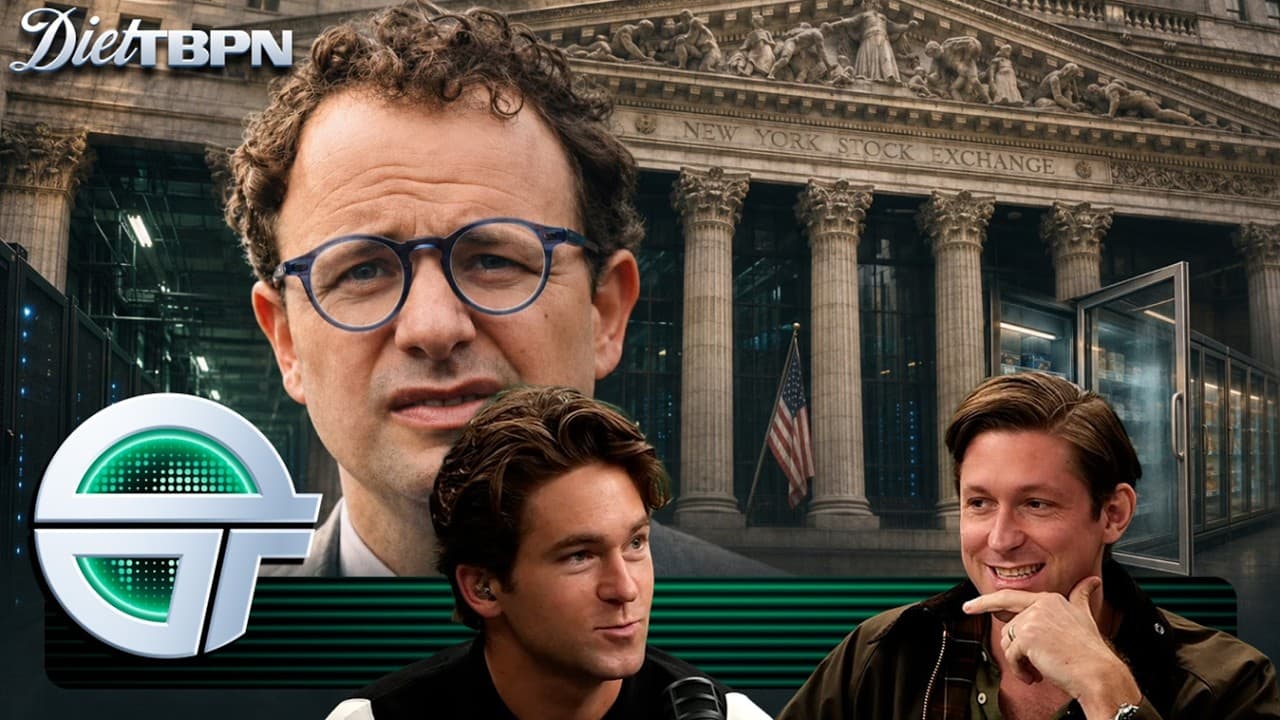
The hosts discussed continuing fallout from reports that Nvidia CEO Jensen Huang had a relationship with Alice Wong, described in reporting as a suspected Chinese spy, with Axios reporting that Commerce Secretary Howard Lutnick was sent a classified memo warning about the relationship. The hosts noted this raises questions about how the department weighed security risks when clearing Nvidia chip sales to China-affiliated entities. North Dakota Senator Kevin Kramer, a senior Republican on the Senate Banking Committee, called for Huang to step down, saying the potential for extortion given Nvidia's position is "so tremendous" that "I just think he's got to go."
The hosts noted Polymarket odds that Huang leaves the CEO role before July of next year sat at 38%, largely unchanged from the previous day, and said he appears to be in the "business as usual, not leaving" camp. CNBC reported Huang addressed the matter briefly in a Monday morning executive meeting, apologized, took no questions, and moved on to business topics. The hosts speculated about succession technicalities, comparing it to Elon Musk's multiple titles at Tesla and SpaceX, and joked a resolution could see Huang become a "techno king" of Nvidia rather than fully departing.
Debate over Nvidia's CUDA moat intensifies alongside the scandal
The hosts tied the scandal to separate commentary that Anthropic views all compute as "fungible," noting that Mythos reportedly took three days to get itself running on AMD hardware versus a prior six-to-12-month timeline. One host called this "a 30x, 50x, 100x increase in speed," while noting debate remains over whether Anthropic is actually seeing a 2x increase in AI development. The hosts argued Anthropic's worldview is fundamentally at odds with Nvidia's approach to exporting technology, with one host saying "you had to be bearish on CUDA" once you understood the implications of fast software generation, comparing Nvidia's position to Google helping create large language models that could ultimately disrupt its own business.
AI trade rallies as Coreweave beats and Anthropic's IPO valuation climbs
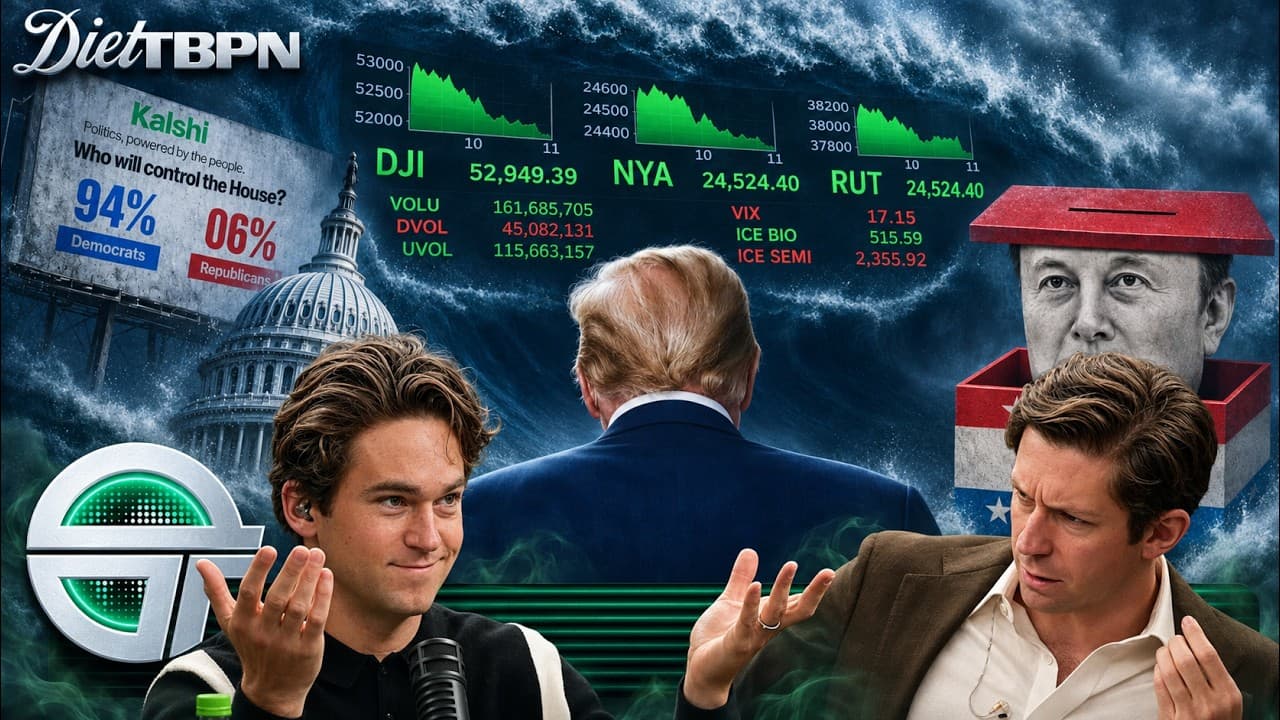
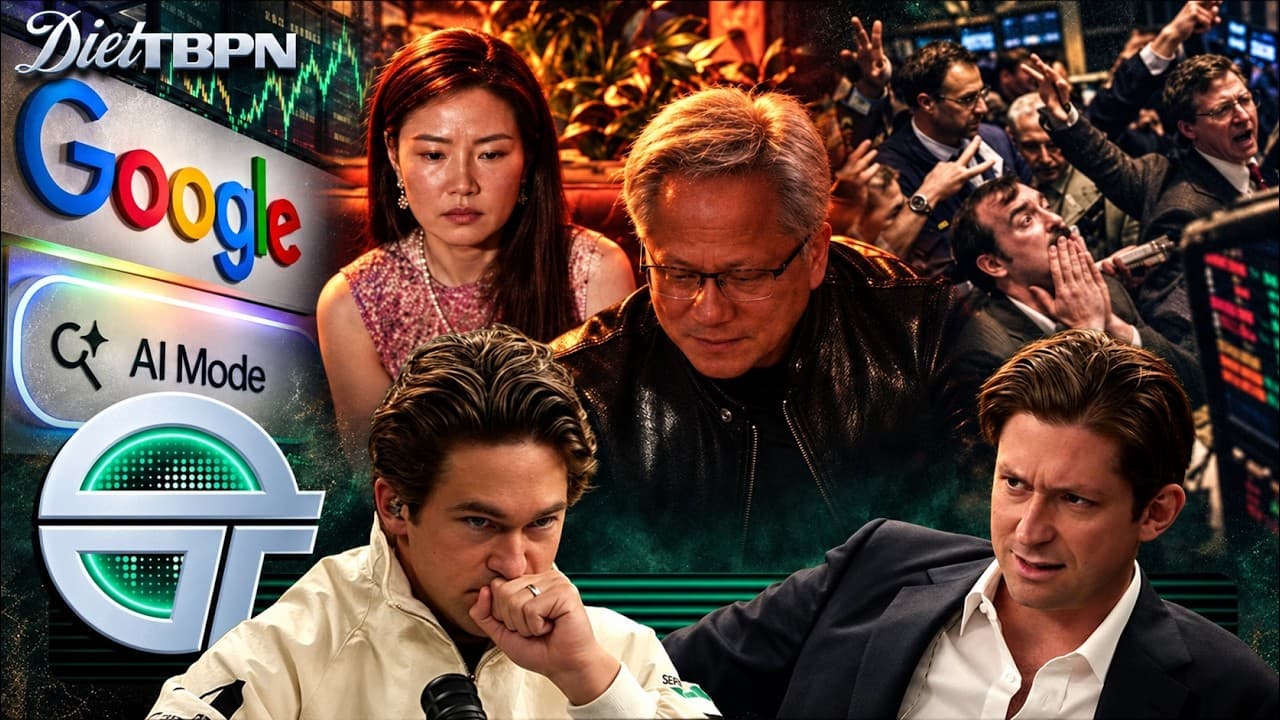
The hosts described the S&P 500 surging above 7,600, roughly 3% from a record high, with the Nasdaq erasing the prior week's losses on Coreweave results and rising expectations for Anthropic's IPO valuation. Nvidia itself was up roughly 4% on the day discussed but remained down 22% over the trailing month. Coreweave shares jumped 26.8% after revenue growth exceeded guidance, though the hosts noted the stock would still need to roughly double to reach its earlier peak. On Anthropic, the hosts cited a Wall Street Journal report of a targeted valuation range of 1.26 to 1.41 trillion, "far below two trillion," alongside an FT report that bankers were weighing raising it to 1.5 trillion. The hosts also flagged a divergence between Ramp's enterprise data showing roughly 1% growth and Anthropic's own claim of around 13% growth, and noted the GDPX benchmark from semi analysis moved from about 12% to 16%, still "a ways to go" before saturation.
The hosts also discussed Jeff Yass, described as founder of Susquehanna, arguing there is no such thing as a stock market bubble, writing that price falls reflect "uncertainty resolving" rather than delusion correcting.
"Why would rational investors suddenly lose their mind?"— Jeff Yass, as quoted by the host. The hosts did not take a clear side on Yass's argument themselves beyond noting it "warmed their heart."
Hosts debate whether top founders have hobbies
The hosts discussed a claim attributed to Masha Butcher that "the best founders I backed had no hobbies, only one obsession, the company," contrasted with examples like Mark Zuckerberg's jiu-jitsu, Jeff Bezos's sailing and ocean exploration, and Steve Jobs's meditation and long walks. One host argued these examples mostly reflect hobbies picked up after companies scaled and founders gained time and flexibility, rather than during early, pre-product-market-fit grind.
"I think I'm getting more convinced that the butcher might be right."— a host. The hosts proposed a working definition that a true hobby must be non-monetizable, involve constant improvement, and require visiting a physical specialty store where "the guy knows your name," disqualifying things like casual gym visits or movie-watching as hobbies without that deeper commitment.
Written by AI from the video's transcript. It can compress, misattribute or miss context — the original video is the source. Not investment advice.