Y Combinator2 min read
YC's Francois Chaubard lists 10 mindset shifts academics must make to found startups
A researcher-turned-founder explains why PhD instincts that earn publications can sink a startup, and what to unlearn instead.
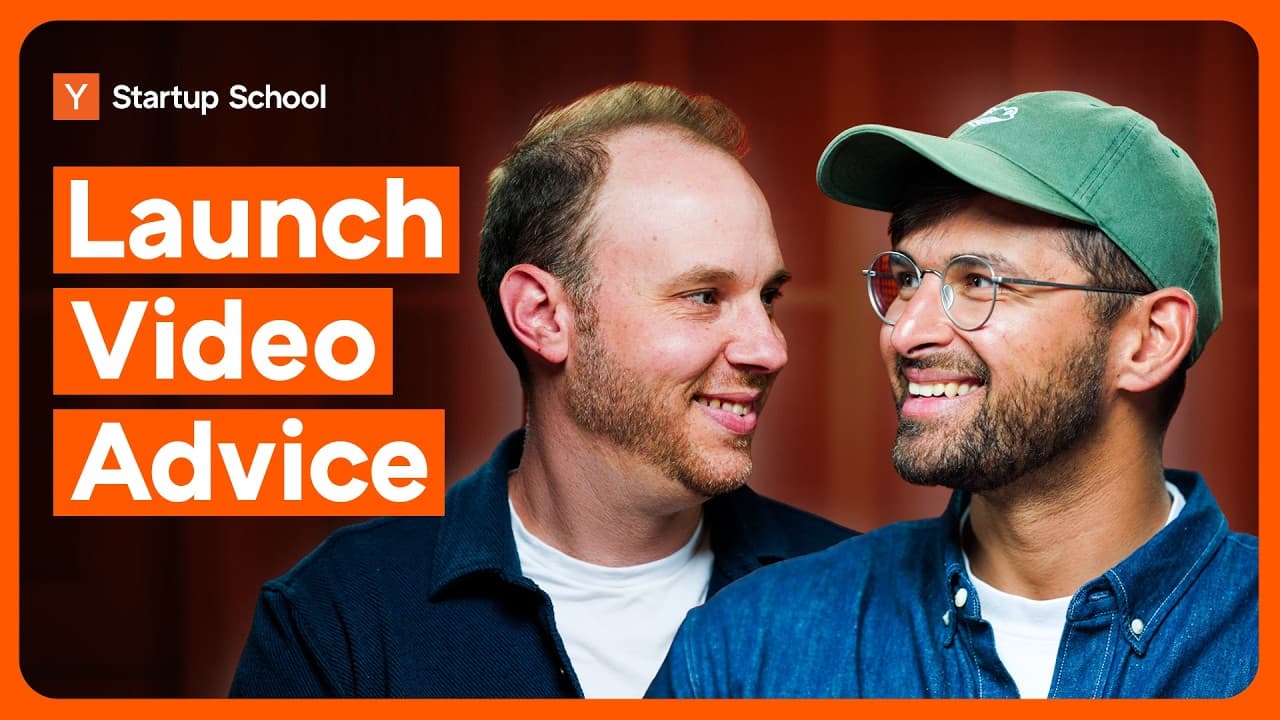
AI summary of “How To Go From Researcher to Founder | Startup School”
Key takeaways
- Francois Chaubard says academics chase vanity metrics like citations while founders must chase what people will actually pay for.
- He argues novelty is overrated: "plagiarism is often a really good strategy," citing Lyft vs Uber and Anthropic vs OpenAI.
- Chaubard says his own startup Focal wasted three months building a model customers wouldn't pay for after skipping customer validation.
- He invokes Jeff Bezos's "70% rule" and Larry Ellison beating a technically superior product with faster execution.
- Chaubard closes urging founders to "get out of your office, get on a flight" and talk to real customers, not investors.
Why academic instincts can sabotage founders
Francois Chaubard, a visiting partner at YC who was previously a researcher in Fei-Fei Li's lab and founder/CEO of Focal, argues that most academic-led startups fail because the skills rewarded in research are often "antithetical, or at least orthogonal" to founder success. He says academics optimize for vanity metrics like grades and citations, while founders must ask "what is something people actually want" and whether they will actually pay for it, not just say they would.
He draws a further distinction between interesting and important: academic work that is interesting but has "absolutely no real ramification on anyone's daily life" versus founder-mode empiricism, where "it just works" is good enough to ship. He also says novelty, prized in academia, is often unnecessary or even undesirable in startups, citing Joe Lonsdale's contrast between "MIT-style" invention-driven startups and "Stanford-style" startups that iterate on a boring customer problem, like Instacart.
Chaubard recounts a personal failure at Focal: his team spent three months building a people-tracking model for retailers, who said tracking was a major problem, only to find none would pay once shown the output.
"I could have manually labeled a few videos a day and given them the same data and gotten the same conclusion and that would have saved me three months."He advises AI founders to validate demand with a human in the loop before spending on compute.
Speed, empathy and capitalist instincts over rigor
Several shifts concern pace and confidence. Chaubard cites Jeff Bezos's "70% rule," saying startups that wait for complete information lose to competitors, and references Larry Ellison pushing SQL past the technically superior Quel:
"Quel might be better than SQL. I don't care. SQL is going to win."He also says marketing hyperbole, like the "15 minutes could save you 15%" slogan, is fine as long as founders don't lie, whereas scientific exactness is an academic habit that "will destroy you" in sales.
He says founders can't delegate hard work like sales and management to hired MBAs, since doing so removes the customer empathy needed to build the right product, and that founders must "become a capitalist," comfortable charging money and beating competitors. Nobody cares how smart you are, he adds; listening to customers matters more than demonstrating expertise. He closes urging academics turned founders to "get out of your office, get on a flight, and go meet with your users where they live and work," and recommends books including Spin Selling and How to Win Friends and Influence People.
Written by AI from the video's transcript. It can compress, misattribute or miss context — the original video is the source. Not investment advice.