When Shift Happens2 min read
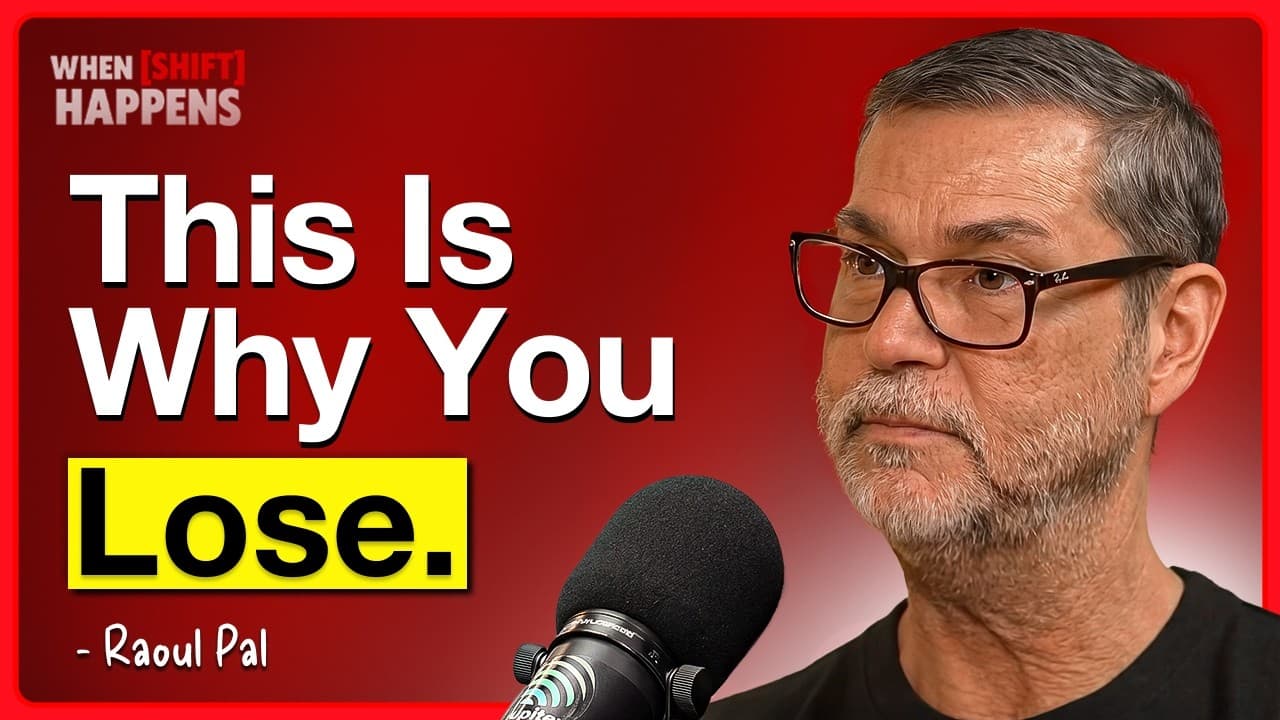
Raoul Pal: Only ETH and Solana have "matured" among layer-ones
Pal argues AI's double-exponential growth makes digital scarcity, and crypto, more valuable than ever, while NFTs mostly won't return.
AI summary of “Raoul Pal: Why AI Is About to Make Crypto Way More Valuable (and nobody is ready for it)”
Key takeaways
- Raoul Pal says only ETH and Solana have matured as smart-contract platforms, with room for roughly five winners total.
- He argues intelligence per unit of energy is doubling every 4 and a half months, a pattern he calls Reed's law.
- Pal says Bitcoin's annualized return from its lows is about 45%, rising to about 120% near prior cycle highs.
- He is launching a digital art fund called Epoch One, expected around November, to capture scarcity value.
- Pal says old PFP projects like Punks won't likely repeat their returns, calling most JPEGs a "bag of shame."
Tokens mentioned
The speakers' views, not ours
One of only two layer-ones he says has truly matured
“of the smart contract platforms of a layer one, it's only ETH and um Solana that's matured”
The other mature layer-one network, part of expected five winners
“of the smart contract platforms of a layer one, it's only ETH and um Solana that's matured”
Cites ~45% annualized return from lows, up to ~120% near cycle highs
“Bitcoin from its lows is about 45% annualized return... if it's back to the two standard deviation highs, it'll be about 120% return”
Pal says crypto networks and AI growth are both accelerating faster than expected
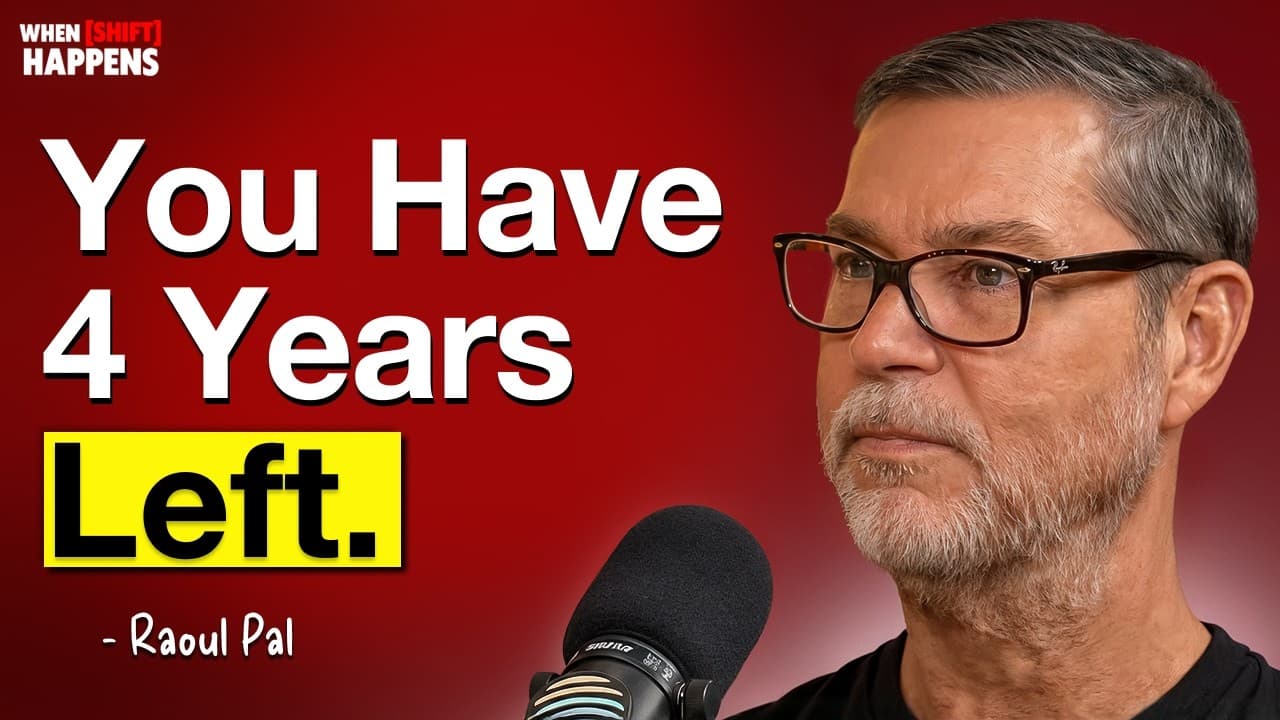
Asked which crypto network is moving from narrative to real infrastructure, Raoul Pal said only two layer-one smart contract platforms have "matured": Ethereum and Solana. He argued that, like most industries, the space has room for roughly five dominant players, and finding the other three would trigger "a huge re-rating."
Pal linked this to his broader thesis from his book The Everything Code: debasement of currency used to manage debt driven by demographics, now compounding with an "exponential age" he says is moving faster than he predicted. He described AI intelligence growth as following "Reed's law," calling it unprecedented:
"the rate of intelligence from how I measure it is doubling every 4 and 1/2 months"— Raoul Pal. He noted Anthropic's revenue rise and ChatGPT's growth to a billion users as the fastest in history, while cautioning that intelligence itself isn't tradable and he isn't sure "where the profits are" for AI companies. Despite this, he said crypto remains the best-performing asset class, citing Bitcoin's roughly 45% annualized return from its lows, rising to about 120% near prior cycle highs.
Pal ties AI-driven abundance to a coming scarcity premium, and starts a digital art fund
Pal argued that as AI makes intelligence and content infinite, scarcity becomes more valuable, pointing to rising prices for live experiences AI can't replicate — concerts, sports, travel, and "the YouTube economy." He said blockchain's core function is creating digital scarcity, calling digital art "the greatest example," representing a compression of culture's value:
"all the value of all culture of a period of time accrues to the art"— Raoul Pal.
He said he is launching a digital art fund called "Epoch One," expected around November, framing it as a pre-announcement. He compared the trade to emerging-market investors buying dollar-denominated appreciating assets, recalling his own 2013 move from euros to dollars and a Cayman Islands property purchase he says he'd forgotten until his AI reminded him. On NFTs, Pal was direct that PFP projects like CryptoPunks were a unique cultural moment unlikely to repeat, though "you get bursts of it," leaving most JPEG holders, in his words, with a permanent "bag of shame."
Written by AI from the video's transcript. It can compress, misattribute or miss context — the original video is the source. Not investment advice.